
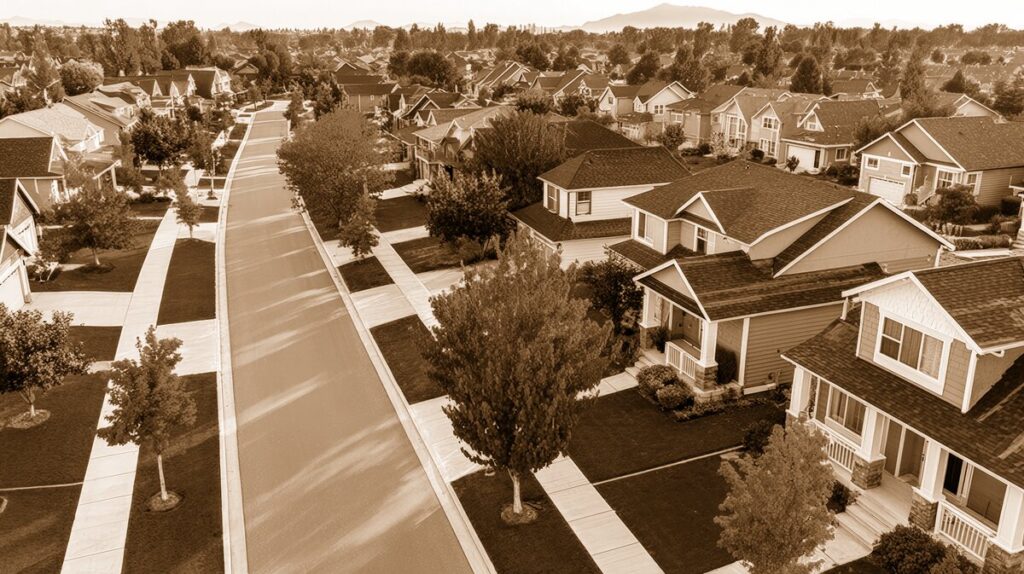
Nestled in the southwestern corner of New Haven, Westville is a neighborhood steeped in history, culture, and community spirit. Often described as a village within the city, Westville boasts tree-lined streets, historic architecture, and a creative vibrancy that reflects its rich heritage. For longtime residents and newcomers alike, Westville’s past is woven into the fabric of daily life, shaping the neighborhood’s warm, welcoming character. Let's take a delightful journey through the origins, growth, and distinctive landmarks that define Westville.
Origins: From Mill Village to Bustling Neighborhood
Long before Westville became a beloved city neighborhood, the area was a rural expanse along the West River, occupying what was then the outer border of New Haven’s original nine squares. In the late 18th and early 19th centuries, the natural beauty of the West River—and, crucially, its strong current—prompted entrepreneurs to establish mills along its banks. Early maps show gristmills and sawmills cropping up near what is now West Rock Avenue and Edgewood Avenue, forming the nucleus of a mill village that would give birth to the Westville we know today.
The name “Westville” came into use in the early 1800s, a straightforward reference to its location west of downtown New Haven. As more families settled near the mills and the village grew, a sense of local identity flourished, embodied in institutions like the Westville Congregational Church, founded in 1853 on Central Avenue—a landmark that still anchors the community.
Key Historical Milestones
Westville’s history is marked by periods of transformation that echo broader changes in New Haven and the nation. Some landmark moments include:
- 1870s – Industrial Expansion: Factories sprung up along the West River, producing everything from carriage springs to rubber goods. The area grew rapidly, attracting workers and new businesses.
- 1890s – Streetcar Arrival: The introduction of electric streetcars along Whalley Avenue—and the construction of the Westville Bridge—connected the neighborhood more directly to downtown New Haven, fueling its growth as a residential suburb.
- 1920s – Residential Boom: As city planners laid out new streets—such as Alden Avenue and West Elm Street—Westville experienced a wave of residential construction. Stately homes, designed in Colonial Revival and Tudor styles, still line these leafy blocks today.
- Mid-20th Century – Suburban Challenges: Like many American urban neighborhoods, Westville faced challenges from suburbanization and shifting demographics. But through civic engagement and creative adaptation, the community persevered.
- 1990s to Today – Artistic Renaissance: Recent decades have seen a resurgence of energy, as the neighborhood has become a hub for artists, galleries, and creative businesses—especially visible in the Westville Village section along Whalley Avenue.
Notable Landmarks and Beloved Buildings
Ask any Westville resident about standout sights, and you’ll quickly get a list of beloved landmarks that give the neighborhood its unique flair.
- West Rock Ridge State Park: Dominating the western skyline, West Rock’s dramatic cliffs have shaped the neighborhood both physically and culturally. The park offers trails, panoramic views, and—at Judges Cave—a direct tie to colonial history. Here, in the 1660s, the “Regicides” (judges who had condemned England’s King Charles I) hid from British agents. The story of West Rock remains an enduring part of Westville’s lore.
- Edgewood Park: Designed by renowned landscape architect Frederick Law Olmsted, Edgewood Park is where Westville’s west side meets the heart of New Haven. Its meandering trails, duck pond, and annual Cherry Blossom Festival make it a four-season favorite for families, joggers, and picnickers.
- Historic Business Blocks: Whalley Avenue is home to an eclectic mix of modern businesses and historic storefronts, particularly near Blake Street and Central Avenue. Landmarks like the former Westville Theater—a beautifully preserved Art Deco building now reimagined as Lyric Hall—capture the neighborhood’s artistic reinvention.
- Mitchell Library: Open since 1923 at the corner of Harrison and West Elm, the Mitchell Branch of the New Haven Free Public Library has been a hub for learning and neighborhood connection for generations of Westville families.
Institutions and Streets that Tell a Story
Many of Westville’s institutions are woven into daily life as much as its physical layout. Wilbur Cross High School, with its striking mid-century architecture, rises at the corner of Mitchell Drive and Ella Grasso Boulevard, while nearby Hopkins School claims the distinction of being the third-oldest independent school in the United States, founded in 1660.
Streets like Fountain Street, once a route for trolleys, now hum with the bustle of local cafes, bakeries, and the venerable Westville Community Nursery School. Alden Avenue and McKinley Avenue boast some of Westville’s most admired homes—testaments to a bygone era, lovingly maintained.
Evolution and Enduring Spirit
What sets Westville apart, say many locals, is its enduring sense of community. Block parties, porch concerts, pop-up art shows, and the annual Westville Artwalk festival are all evidence of the neighborhood’s vibrant social fabric. The Westville Village Renaissance Alliance, a community group, continues to champion preservation, economic growth, and neighborhood pride.
Through the decades, Westville has found ways to reinvent itself while honoring its storied past. Some mills have given way to apartments or arts spaces, and historic facades now house coffee shops or yoga studios. Yet the essentials remain: a strong civic spirit, a deep cultural legacy, and a sense of belonging that invites every visitor to stay.
Whether you’re strolling under an avenue of 100-year-old elms, browsing the Saturday farmers market, or waving to neighbors on a front porch, the history and heritage of Westville are alive in every corner. It’s a New Haven original—a place where the past is cherished, the future is creative, and every story adds another layer to its distinctive charm.